

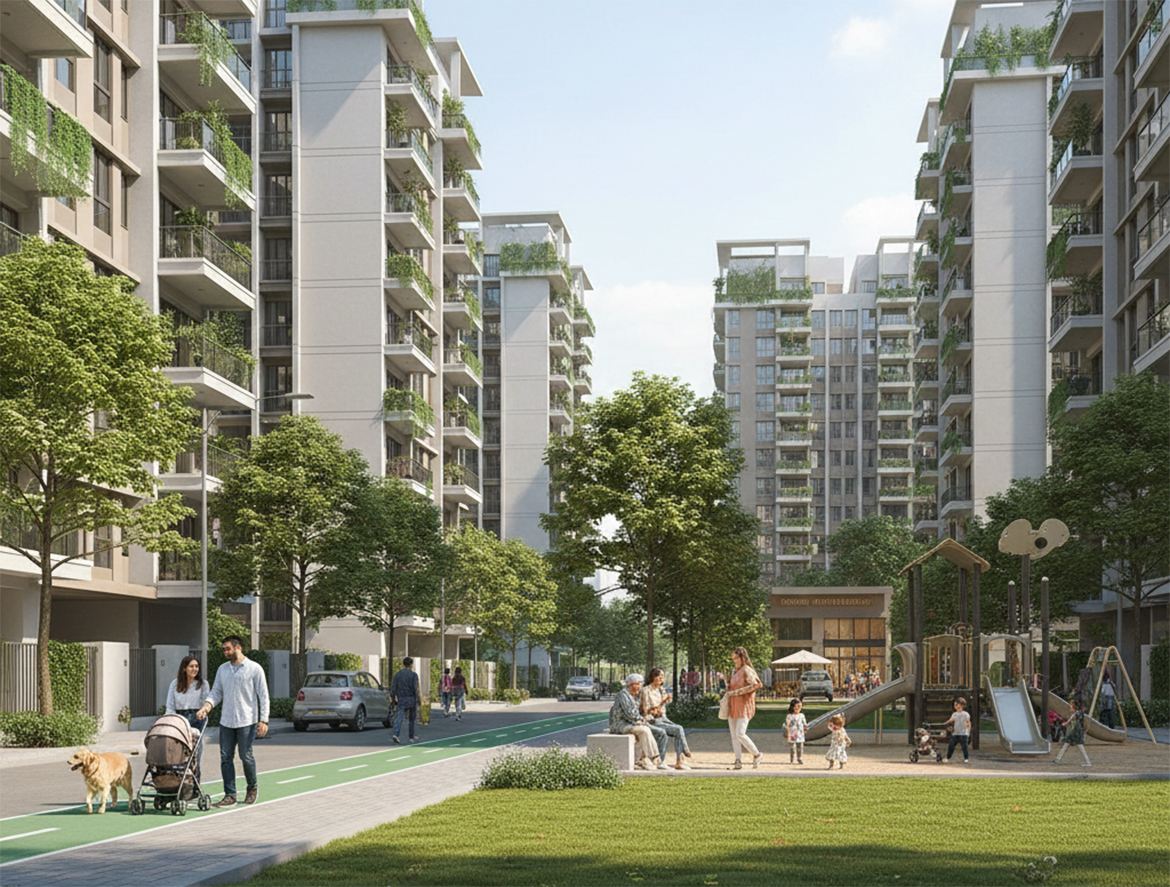
Deciding whether to buy or rent a property in Pune is one of the biggest financial decisions for individuals and families. Both options have their advantages and drawbacks, depending on your lifestyle, financial situation, and long-term goals. This guide helps you weigh the pros and cons of buying versus renting in Pune so you can make an informed choice.
1. Financial Considerations
Buying a Property
- Initial Investment: Buying requires a substantial down payment, typically 10–20% of the property cost, along with registration charges, stamp duty, and other fees.
- Loan Obligations: Most buyers take a home loan, which involves monthly EMI payments over 15–30 years.
- Long-Term Wealth: Owning property allows you to build equity and benefit from property appreciation over time.
Renting a Property
- Lower Upfront Costs: Renting generally requires only a security deposit and first month’s rent, making it easier for those without large savings.
- Flexibility: Monthly rent can be adjusted if you move frequently for work or other reasons.
- No Maintenance Burden: Renters are typically not responsible for major repairs or property taxes.
2. Lifestyle Factors
Buying
- Stability: Owning a home offers long-term stability, especially for families who plan to stay in Pune for several years.
- Customization: Homeowners can modify and renovate their property according to personal preferences.
Renting
- Mobility: Renting allows you to change locations easily, which is ideal if your job requires frequent relocations.
- Less Responsibility: Tenants are not responsible for major maintenance, legal compliance, or property insurance.
3. Market and Investment Perspective
Buying
Pune’s property market continues to show steady growth, particularly in areas like Hinjewadi, Baner, Wakad, Kharadi, and Hadapsar. Buying property can be a solid long-term investment, as these areas are likely to appreciate over time. Additionally, owning a property opens up opportunities for rental income if you decide to move in the future.
Renting
Renting is cost-effective if property prices are high or if you are unsure about long-term plans. Pune’s rental market is strong, especially near IT hubs and commercial areas. Renting can provide flexibility without tying up a large portion of your finances in a property.
4. Tax Benefits
Buying
- Homeowners with a home loan can avail tax benefits under sections 80C and 24(b) of the Income Tax Act, reducing their overall tax liability.
- Property appreciation adds to long-term wealth creation.
Renting
- Renters may claim House Rent Allowance (HRA) tax benefits if they live in rented accommodation and meet certain income criteria.
5. When Buying Makes Sense
- You plan to stay in Pune for at least 5–7 years.
- You have sufficient savings for a down payment and emergency funds.
- You want to build long-term wealth through property appreciation.
- You prefer stability and personalization of your living space.
6. When Renting Makes Sense
- Your job or lifestyle requires frequent relocation.
- You have limited savings for a down payment.
- You prefer lower financial and maintenance responsibilities.
- You want flexibility without committing to a long-term loan.
Conclusion
The decision to buy or rent in Pune depends on your financial situation, lifestyle, and future plans. Buying is ideal for those seeking stability, investment growth, and long-term wealth creation. Renting suits individuals who value flexibility, lower upfront costs, and minimal maintenance responsibilities.
At Choice Realty Solutions, we help clients evaluate their options and find properties in Pune that fit their needs, whether for purchase or rental. With expert guidance and local market insights, we make your property journey smooth and informed.

Join The Discussion